Loading...
Serving South Burlington, VT and surrounding areas. (802) 352-8211
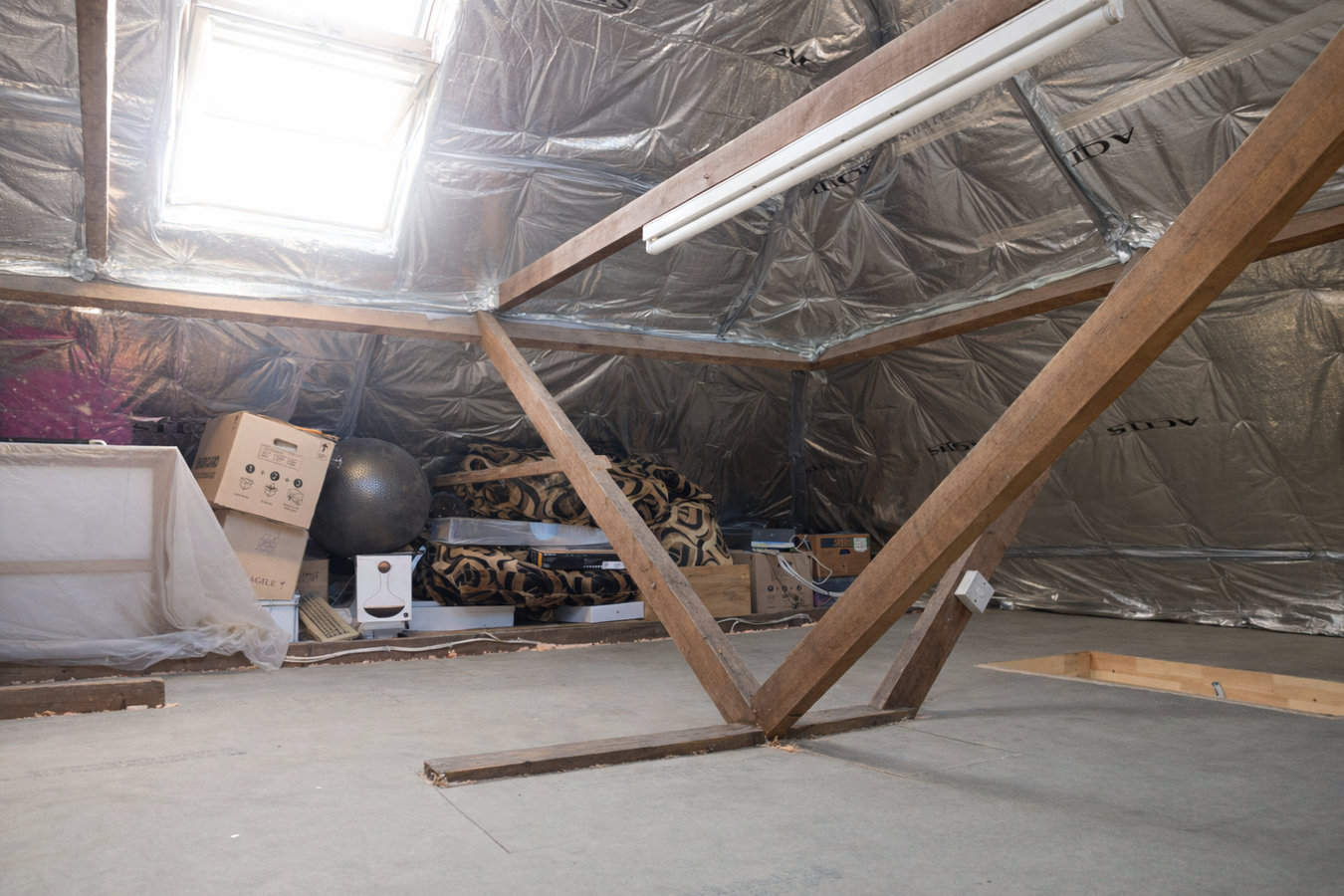
Heat rises, and an under-insulated attic is one of the fastest ways for warmth to escape your South Burlington home. We bring attics up to the depth Vermont's climate actually demands.
Heat rises, and an under-insulated attic is one of the fastest ways for warmth to escape your South Burlington home. We bring attics up to the depth Vermont's climate actually demands.
Attic insulation in South Burlington slows heat from escaping your living space in winter, reduces ice dam risk, and lowers heating bills, with most residential installations completed in a single day.
South Burlington is in one of the coldest climate zones in the continental United States, and the Department of Energy recommends attic insulation for Vermont homes reach levels significantly deeper than most of the country requires. Many homes built here before 1990 were insulated to standards that were already low at the time and have degraded further since. If your attic insulation is thin, patchy, or has never been upgraded, heat is escaping every day from November through March.
Air sealing almost always comes before new insulation. Gaps around light fixtures, plumbing penetrations, and where walls meet the ceiling let warm air bypass even thick insulation. We seal those gaps first, then install insulation to the right depth. If you are also dealing with broader moisture or draft problems, pairing attic insulation with attic air sealing as a combined scope produces the biggest improvement.
If your gas or electric bills have gone up noticeably over the past few winters and you have not changed your habits, your attic may be the culprit. Heat rises, and an under-insulated attic lets it escape directly into the cold. South Burlington winters are long enough that even a modest improvement in attic insulation shows up clearly on your utility bill.
Thick ridges of ice along the edge of your roof - or icicles forming in the same spots year after year - are a strong sign that heat is escaping through your attic and warming the roof unevenly. This is a very common problem in South Burlington. Addressing the insulation and sealing air gaps in the attic floor is the most effective long-term fix.
If the rooms directly below your attic are always harder to keep warm, or if you feel drafts near the ceiling on cold days, the attic above those rooms may not be doing its job. This is especially common in older South Burlington homes where insulation was added unevenly or has settled and thinned over the decades.
You do not need to be an expert to spot a problem. If you can clearly see the wooden joists running across the attic floor above the insulation, there is almost certainly not enough material up there. Insulation that looks gray, matted, or crumbly has likely lost much of its effectiveness. A quick look with a flashlight can tell you a lot.
Most attic insulation jobs use blown-in loose fill - cellulose or fiberglass blown in with a hose - because it fills gaps and irregular spaces more completely than pre-cut batts. In South Burlington's older homes with uneven joist spacing and existing insulation that has settled over decades, blown-in is almost always the better choice. We also install batt insulation for attics where it is the right fit. Before any material goes in, we seal the air gaps in the attic floor around light fixtures, plumbing pipes, and other penetrations. Blown-in insulation is one of our most common attic services for exactly this reason.
If your attic has old, damaged, or contaminated insulation, we can remove it before installing new material. Old insulation that has gotten wet, been disturbed by pests, or was installed before the 1980s may be doing very little for you now. We also pair attic insulation with attic air sealing as a combined scope - sealing the attic floor first, then bringing insulation depth up to Vermont's recommended level. That combination consistently produces the most noticeable improvement in comfort and energy costs.
The best choice for most older South Burlington attics - fills irregular spaces evenly and can be built up to any depth without disturbing your attic structure.
Works well in newer attics with consistent framing and no existing insulation to build over - a straightforward, cost-effective option where it fits.
Sealing gaps around fixtures, pipes, and framing penetrations before insulation goes in - the step that makes the biggest difference in how well the insulation performs.
For attics with damaged, wet, or pest-affected material that needs to come out before new insulation is installed - clearing the way for a fresh, properly performing layer.
South Burlington averages around 70 to 80 inches of snow per year, and the combination of heavy snowfall and homes with low-pitched roofs creates real ice dam risk every winter. The root cause is almost always the same: heat escaping through an under-insulated attic warms the roof deck, melts snow, and the meltwater refreezes at the cold eaves. Much of South Burlington's housing stock was built between the 1950s and 1980s, when insulation standards were far below what Vermont's climate actually demands. If your home is in that age range and has never had an attic upgrade, there is a good chance you are losing significant heat every winter. The U.S. Department of Energy recommends attic insulation for Vermont homes reach R-49 to R-60, roughly 14 to 20 inches of blown-in insulation - substantially more than most homes in this area currently have.
We serve homeowners throughout South Burlington and the surrounding communities, including South Burlington and Essex Junction. Whether your home is a ranch off Williston Road or a split-level near Dorset Street, the attic above your living space is working against you every Vermont winter if it is under-insulated. Efficiency Vermont offers rebates for attic insulation upgrades that meet their standards, and we help every qualifying project get the documentation right.
We will ask your home's age, approximate square footage, and whether you have had any insulation work done before. Attic conditions vary too much to price accurately without a look, so we schedule a free in-home estimate rather than quoting over the phone.
A technician accesses your attic and checks the current depth and condition of what is up there, looks for air gaps around pipes and fixtures, and assesses whether any old material needs to come out first. The visit takes 30 to 60 minutes and ends with a written estimate that covers the full scope.
The crew works entirely in the attic. Before adding new material, they seal gaps and cracks in the attic floor, then install insulation to the depth needed for Vermont's climate. Most jobs are completed in a single day, and you do not need to leave your home.
Once the work is done, we walk you through what was installed - pointing out the finished depth, any issues we found, and how to maintain proper attic ventilation going forward. If you are applying for an Efficiency Vermont rebate, we provide the documentation you need to submit your claim.
Free in-home estimates, written quotes, no pressure. We respond within one business day.
(802) 352-8211Many contractors add insulation on top of whatever is already there without addressing the air gaps that let warm air bypass the insulation entirely. We seal the attic floor before any new material goes in - because insulation that sits over unsealed gaps performs far below its rated value.
Vermont sits in a demanding climate zone, and we install insulation to the depth that South Burlington homes actually need - not to a national average that underestimates how cold it gets here. The Efficiency Vermont rebate program rewards projects that meet the right performance standards, and our work is scoped to qualify.
We do not quote attic insulation over the phone, because attic conditions vary too much to price accurately without a look. Every quote comes from an actual inspection - so the price you agree to reflects what the job actually involves, with no surprises on installation day.
A large share of South Burlington's housing stock was built between the 1950s and 1980s. Ranch houses, split-levels, and Cape Cods from this era have attics that were insulated to standards that seem minimal by today's expectations. We know these homes and where to look for the problems that are costing you money. More about proper insulation levels from the ENERGY STAR home sealing program.
Every attic insulation job we complete is documented properly - type of material, depth installed, and any air sealing work done - so you have a clear record whether you need it for an Efficiency Vermont rebate, a home sale, or your own reference.
Loose-fill insulation blown into attics, walls, and other cavities - the most common and effective method for filling irregular spaces in older Vermont homes.
Learn MoreSealing the gaps and penetrations in your attic floor that let warm air bypass insulation - the step that determines how well everything else performs.
Learn MoreSouth Burlington winters do not wait - lock in your installation date before contractor schedules fill up and heating season arrives.