Loading...
Serving South Burlington, VT and surrounding areas. (802) 352-8211
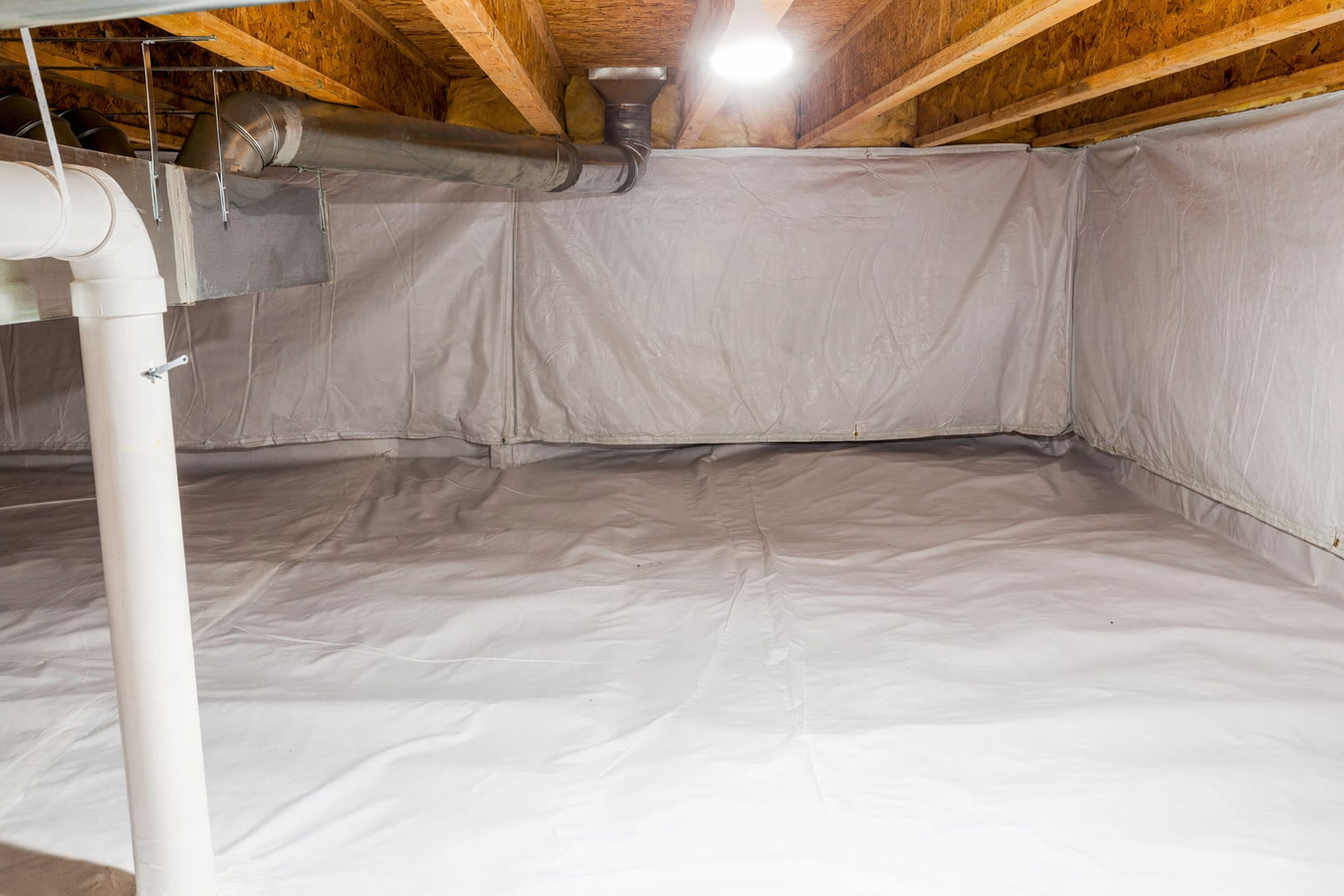
Cold floors and rising heating bills usually trace back to an unprotected crawl space. We insulate and seal it so Vermont winters stop draining heat - and money - out of your home from below.
Crawl space insulation in South Burlington acts as a thermal barrier between the cold ground and your living floors, most projects run one to two days depending on the size of the space and whether old material needs to come out first. Without it, cold air, moisture, and outdoor odors move freely into your home from below - and your heating system works harder than it should, all winter long.
South Burlington homeowners with uninsulated or failing crawl spaces often notice cold floors first, then climbing heating bills, and eventually a musty smell that gets worse after rain or during the spring thaw. The crawl space is one of the most overlooked parts of a home's thermal envelope, but it is also one of the most cost-effective places to make improvements in Vermont's climate. A well-done project pairs naturally with wall insulation or a crawl space vapor barrier for a complete solution.
If you walk across your kitchen or living room floor in winter and it feels noticeably cold underfoot - even with your thermostat set to a comfortable temperature - cold air is moving up from below. In South Burlington's winters, where temperatures regularly drop well below freezing, an uninsulated crawl space lets the cold in from the ground up. This is one of the most common complaints homeowners notice first.
If your oil or propane bills have climbed over the past few winters without any change in habits, the crawl space is worth investigating. South Burlington homeowners who heat with oil or propane are especially sensitive to this - fuel costs here are high, and a crawl space losing heat burns money every day from November through March. A quick look at year-over-year bills can tell you whether something has changed.
A persistent musty or earthy odor - especially in rooms on the ground floor near the crawl space access - often means moisture has gotten into the insulation or the wood structure below. Vermont's wet springs and freeze-thaw cycles push ground moisture into crawl spaces regularly, and once insulation gets damp it can start to smell and eventually grow mold. If the smell worsens after rain or during spring thaw, that is a clear signal.
If you have ever peeked into your crawl space with a flashlight and seen insulation hanging down in clumps, lying on the ground, or missing in sections, it is no longer doing its job. Insulation that has fallen away from the floor joists leaves gaps where cold air moves freely. This is a straightforward visual check any homeowner can do in a few minutes.
We handle two main approaches to crawl space insulation: insulating the floor above by fitting material between the floor joists, and fully sealing and insulating the crawl space walls and ground - an approach that turns the space into a conditioned area that stays warmer in winter and drier year-round. The right choice depends on whether your crawl space is vented or unvented and how much moisture is present. We assess this during the estimate visit and explain the options in plain terms before recommending anything. Both approaches pair well with a crawl space vapor barrier to block ground moisture from rising into the insulation.
If there is existing insulation that has sagged, gotten wet, or been disturbed, we remove it before new material goes in. Leaving damaged insulation in place and adding new material on top traps moisture and odors and undermines the new work. We often pair crawl space work with wall insulation when a homeowner wants to address the full lower envelope in one project.
Best for vented crawl spaces where the goal is to insulate the floor above and keep heated air from escaping downward.
For unvented or moisture-prone crawl spaces where sealing the walls and ground delivers the best long-term performance.
A heavy-duty ground cover that stops soil moisture from rising into your insulation - strongly recommended in Vermont's climate.
Required when existing material is damp, sagging, pest-damaged, or otherwise compromised before new insulation can perform correctly.
Vermont's severe winters demand higher insulation performance than most other states, and South Burlington sits in one of the coldest climate zones in the continental United States. Vermont's energy code sets minimum crawl space insulation requirements that are more stringent than many national baselines - meaning a properly done project here needs to be thorough, not just a quick fill-in. Vermont homeowners pay some of the highest home heating costs in the country, with many homes relying on heating oil or propane, so the payback period on a well-done crawl space project is shorter here than in warmer regions. Efficiency Vermont, the nation's first statewide energy efficiency utility, offers rebates for qualifying insulation upgrades that can meaningfully reduce your out-of-pocket cost. You can learn more at efficiencyvermont.com.
A significant portion of South Burlington's neighborhoods were built in the 1950s through 1980s, when crawl space moisture control was rarely a priority. Many of these homes have original insulation that has sagged, gotten wet, or been disturbed over the decades. Homeowners in Shelburne, VT and Colchester, VT face the same challenge. Vermont's spring thaw and frequent rain events push moisture up through the soil and into crawl spaces - which is why a vapor barrier is strongly recommended alongside insulation in this region.
Call or submit a request online and we respond within 1 business day. We ask a few basic questions about your home, whether you have had moisture or pest issues, and what is currently in the crawl space. You do not need to have answers ready - the estimate visit is where the real assessment happens.
A contractor physically enters your crawl space with a flashlight and moisture meter. We check the condition of existing insulation, moisture levels, vapor barrier presence, and any signs of mold or pests. The visit usually takes 30 to 60 minutes and you receive a written estimate that breaks down every line item, including removal and disposal if needed.
You do not need to leave your home - the crew works below the floor and most activity will not disrupt your day. We start by removing any damaged old insulation, lay a vapor barrier if specified, and install new insulation fitted tightly against the floor joists or crawl space walls. Most jobs are completed in one day.
Before we leave, we walk you through what was done - using photos taken inside the crawl space or by showing you the finished work directly. If your project qualifies for an Efficiency Vermont rebate, we provide the documentation you need to submit your claim. We also tell you what to watch for going forward.
We respond within 1 business day and there is no obligation after the estimate visit. Submit your information and someone from our team will call to schedule a free on-site assessment at a time that works for you.
(802) 352-8211We focus our work in Chittenden County and the surrounding area - which means we know the local housing stock, the typical problems in homes from each era, and what Vermont's climate does to crawl spaces over time. That local knowledge matters on every job.
A contractor who skips moisture assessment before installing crawl space insulation is cutting the corner that matters most in Vermont. We use a moisture meter on every job and will not install new insulation into a space that is not dry enough to support it. If moisture remediation is needed first, we tell you before work begins - not after.
We know Efficiency Vermont's program requirements and help you document the work correctly so your rebate claim goes smoothly. Many homeowners leave money on the table because the paperwork was not done right. We make sure you do not miss it. See current rebates at efficiencyvermont.com.
Crawl space projects vary too much to quote accurately over the phone. We give every homeowner a written estimate after an in-person assessment, with every line item broken out - including removal, disposal, vapor barrier, and new insulation. You know exactly what you are paying for before we start.
Crawl space insulation that is installed correctly - with moisture under control and vapor barrier in place - can last decades in Vermont's climate. We do the prep work that makes the difference between insulation that holds up and insulation that fails in a few seasons. For installation standards, see the North American Insulation Manufacturers Association.
Have a question not listed here? Call us or send a message. We are happy to help before you commit to anything.
Wall insulation rounds out your home's thermal envelope, stopping the heat loss that crawl space work alone cannot address.
Learn MoreA vapor barrier paired with insulation stops ground moisture from rising into your crawl space and shortening the life of your new insulation.
Learn MoreSouth Burlington heating season starts early - get your home sealed and ready before the first hard freeze and stop paying for heat that escapes through the floor.