Loading...
Serving South Burlington, VT and surrounding areas. (802) 352-8211
South Burlington Insulation provides attic, spray foam, blown-in, and basement insulation to Williston homeowners. We have served Chittenden County since 2018 and reply to every inquiry within one business day.
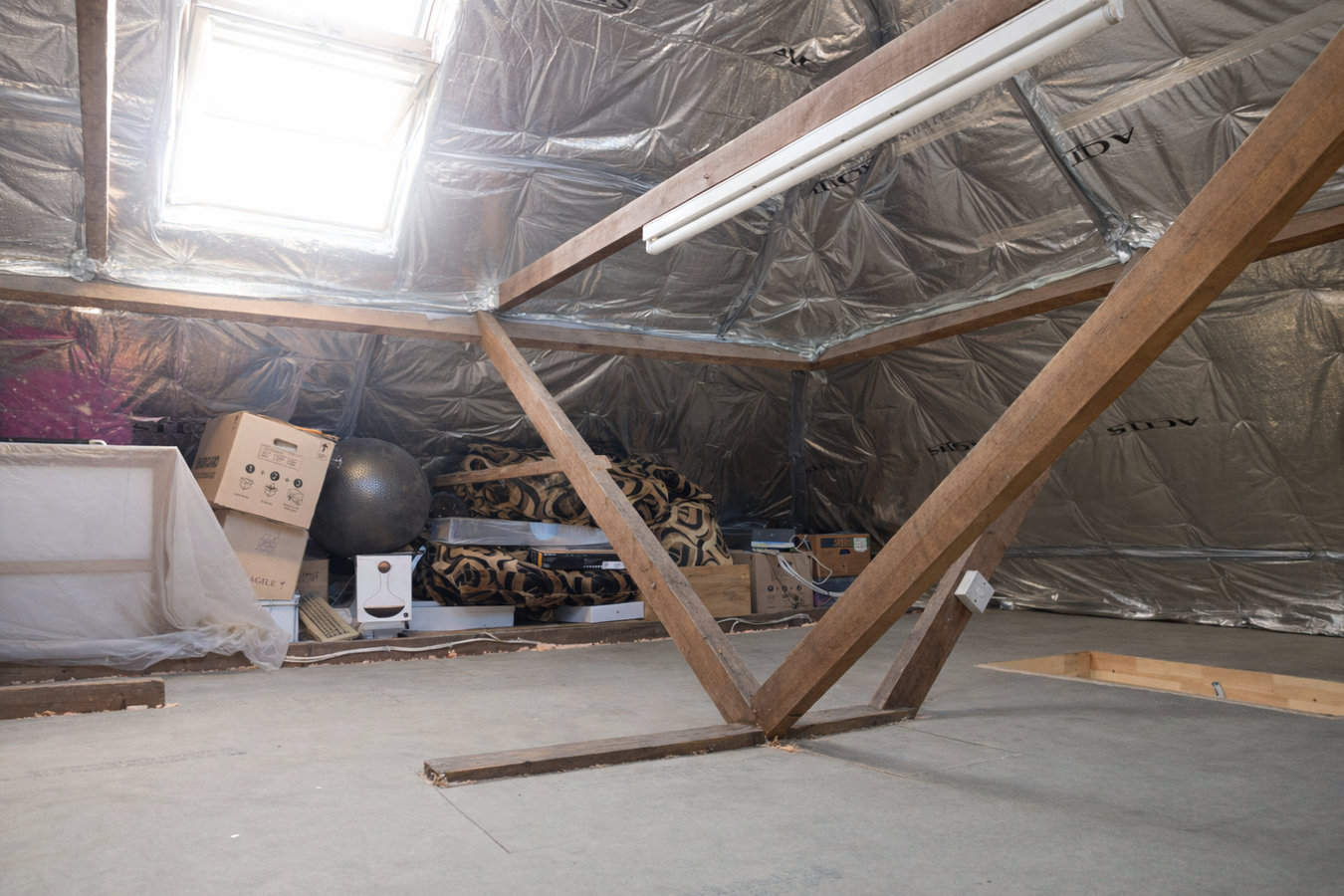
A large share of Williston homes were built in the 1990s, and attics from that era are frequently under-insulated by today's Vermont standards - which means ice dams and high heating bills are common complaints. Our attic insulation upgrades bring your attic floor to current R-value recommendations, stopping heat loss at the top of the house where it matters most.
Williston homes from the 1990s and early 2000s often have rim joists that were never properly sealed, allowing cold air to enter the house at the foundation line all winter. Closed-cell spray foam applied at the rim joist seals that gap completely, combining the air barrier and thermal layer in a single application that fiberglass alone cannot match.
For Williston homes with settled or thin attic insulation, blown-in cellulose or fiberglass is the fastest way to add significant R-value without disrupting finished spaces below. It fills around existing framing and wiring evenly, which is especially useful in the cape cod and colonial attic configurations common in Williston's residential neighborhoods.
Full basements are standard in Williston homes because Vermont frost lines require deep foundations, and many of those basements have poured concrete walls with no insulation on either side. Insulating the basement walls and rim joist area reduces heat loss through the floor system and makes the basement more usable year-round.
Many Williston homes from the 1990s and 2000s have gaps around recessed lights, HVAC penetrations, and attic hatches that allow warm air to escape into unconditioned spaces above. Air sealing those leaks before adding insulation makes the insulation significantly more effective and is often the difference between an attic upgrade that works well and one that underperforms.
Williston's older village-area homes near the town green often have original wall insulation - or none at all - that was never updated during subsequent renovations. Retrofit insulation methods let us add coverage to existing walls and attic spaces in these older properties without requiring major demolition, which keeps the work fast and disruption minimal.
Williston grew quickly during the 1980s and 1990s, and most of the town's housing stock dates from that period. These homes - colonials, capes, and split-levels built during Vermont's suburban expansion - were constructed to the energy codes of their time, which are significantly below what Vermont recommends today. Attics in many 1990s Williston homes have R-19 to R-25 insulation, while current Vermont standards call for R-49 to R-60 in this climate zone. That gap shows up directly on a heating bill every winter.
Williston winters are cold and snowy, with ground frost reaching several feet deep and a freeze-thaw cycle each spring that stresses driveways, foundations, and building envelopes. Ice dams are a recurring problem on the low-slope roofs common in Williston's newer subdivisions when attic insulation is inadequate. Vermont mud season compounds the issue: when the ground thaws from the top down in March and April, water pools near foundations for weeks, increasing moisture pressure on basement walls and crawl spaces that were not designed with that load in mind.
Our crew works throughout Williston regularly, and we understand the local conditions that affect insulation work here. The town has two distinct housing populations that require different approaches: the newer subdivisions near Route 2 and the Taft Corners area, where 1990s and early 2000s construction dominates, and the older village homes near the town green, some of which date back to the 1800s and have original or minimal insulation. We encounter both regularly and adjust our methods accordingly.
Permit questions for Williston insulation work are handled through the Town of Williston Development Review Board. Our team checks applicable requirements before any job starts. Williston is about 10 miles east of Burlington along I-89 - Exit 12 is the main gateway into town - and we can typically reach most Williston addresses quickly from our South Burlington base.
We also serve homeowners in nearby Essex Junction, VT and across the broader Chittenden County area. If your address is between towns or in a newer subdivision that is hard to place, just call and we will confirm your coverage immediately.
Call or submit the contact form and briefly describe your situation - ice dams, high heating bills, cold rooms, or a specific area you want addressed. We respond to every request within one business day.
We visit your Williston home, check the existing insulation and any air leaks, and give you a written price before any work starts. The estimate costs nothing, and there is no pressure to commit on the spot.
We schedule the work around your calendar. Most Williston attic and basement jobs are completed in a single day. Larger projects or homes with limited access may require a second visit, and we will let you know in advance.
When the job is finished, we clean up the work area and walk you through what was installed, what materials were used, and any steps you may want to take next. You leave with a clear picture of what was done.
Call us or submit a request for a free, no-obligation estimate anywhere in Williston, VT. We respond within one business day.
(802) 352-8211Williston is one of the fastest-growing towns in Vermont, with a population that has more than doubled since 1980 to roughly 10,000 residents today. The town sits about 10 miles east of Burlington along Interstate 89, with Exit 12 serving as the main gateway into town. It has two distinct characters: the historic village center near the town green, where older homes on large lots reflect Williston's agricultural roots, and the Route 2 commercial corridor near Taft Corners, where newer subdivisions, condominiums, and big-box retail have developed since the 1980s. Most Williston homeowners are long-term owner-occupants who invest in maintaining their properties.
The housing stock in Williston is younger on average than most Vermont towns, but that means many homes are now hitting the 20-to-35-year mark - the point at which roofs, siding, and insulation all tend to need attention at roughly the same time. The older village-area homes near the Williston town green present a different set of needs - original wood clapboard siding, older foundations, and insulation that may never have been updated. Both segments of the town are part of our regular service area. Neighboring South Burlington, VT is also regularly served by our team.
High-density foam providing superior moisture and thermal barriers.
Learn MoreProfessional vapor barrier installation to prevent moisture damage.
Learn MoreWhether your home is a 1990s colonial off Route 2 or an older cape near the village green, South Burlington Insulation will assess it and give you a clear, written price with no obligation.