Loading...
Serving South Burlington, VT and surrounding areas. (802) 352-8211
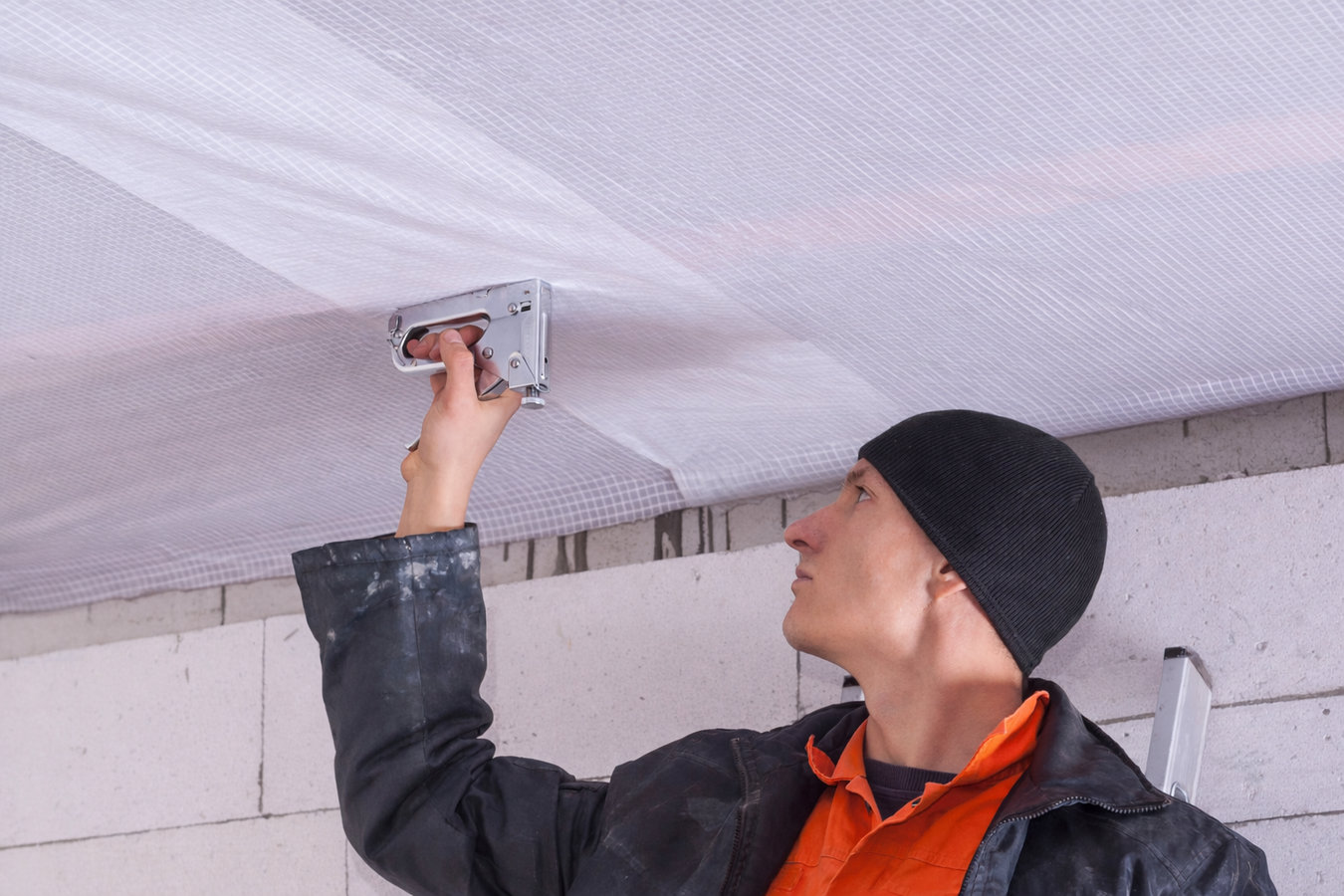
Vermont's freeze-thaw seasons push ground moisture into crawl spaces and basements year after year. A professional vapor barrier installation stops it at the source - protecting your floors, framing, and indoor air quality.
Vapor barrier installation in South Burlington seals the floor and walls of your crawl space or basement with heavy plastic sheeting to block ground moisture from entering your home's structure, most standard jobs are completed in a single day with no disruption to your living areas. The plastic is overlapped at every seam, taped, and anchored so it holds in place through Vermont's seasonal ground movement.
South Burlington's climate creates steady upward moisture pressure through most of the year. The freeze-thaw cycle from late fall through spring pushes ground moisture into any unprotected crawl space, and the clay-heavy Champlain Valley soils hold that moisture longer than sandy or loam soils would. Homes built here before the 1980s were rarely built with moisture control in mind, which means many are still running without adequate protection decades later.
Vapor barrier work pairs naturally with crawl space vapor barrier services and complements attic air sealing for a whole-home approach to moisture and energy performance. Call (802) 352-8211 to schedule an assessment.
A damp, earthy odor that comes back no matter how often you clean is one of the clearest signs of crawl space moisture entering your living area. In older South Burlington neighborhoods, this smell tends to peak in spring after the ground thaws and moisture pressure surges upward. If airing the house out does not help, the source is almost certainly below your feet.
When there is no moisture barrier below your floors, cold damp air sits directly under your first floor all winter. Over years, persistent moisture can soften the wood joists that support your floors. A floor that feels slightly springy underfoot is a sign that moisture has already been at work for some time - and warrants a closer look.
Rust on metal pipes or supports, white chalky deposits on concrete walls, or water droplets on surfaces are all visible signs that moisture is actively moving through your home's structure. In South Burlington neighborhoods near Potash Brook or other low-lying areas, these signs tend to appear earlier and more aggressively than in higher, drier parts of the city.
When moisture gets into your insulation, it loses much of its ability to hold heat in. Vermont's long heating season makes this especially visible on monthly bills. If your costs have crept up without a clear explanation, moisture-damaged insulation below the floor is one of the first things worth checking.
We install vapor barriers in crawl spaces, unfinished basements, and below-slab areas across South Burlington and Chittenden County. Every installation covers the full floor, runs up the foundation walls, and has all seams taped and overlapped - not just laid loosely. For homes where moisture enters through multiple points, we can combine barrier work with crawl space vapor barrier installation for complete below-grade protection.
When the assessment reveals old or damaged material, we remove it before the new barrier goes in - laying a new barrier over failing old material is not a real fix. For homes with more severe moisture problems, we can discuss whether full crawl space encapsulation with a dehumidifier is a better fit. The attic air sealing work we do above also connects to the same goal: stopping air and moisture from moving through the parts of your home you never see. We recommend everything based on what we actually find during the assessment.
Best for homes with accessible crawl spaces where soil moisture is the primary concern - full floor and wall coverage with sealed seams.
Best for unfinished basements or below-grade spaces where ground moisture enters through the floor or lower walls.
Best for homes with high foot traffic into the space, clay-heavy soils, or persistent seasonal moisture in lower-lying South Burlington locations.
Best for homes with ongoing moisture issues - adds complete wall sealing and optional dehumidification for the most thorough moisture management.
Vermont's climate puts real pressure on unprotected crawl spaces. South Burlington's freeze-thaw cycle - with the ground freezing hard in winter and thawing quickly in spring - pushes a surge of moisture upward every year. The clay-heavy soils of the Champlain Valley hold water longer than most, which means that pressure is not brief or occasional. For homeowners in communities like Colchester and Essex Junction, the same seasonal moisture dynamic applies - and the same installation standards hold.
Most of South Burlington's residential neighborhoods were built in the 1950s through the 1980s, before moisture control in crawl spaces and basements was considered a standard part of construction. That means many homes in the area have either no existing barrier or one that has thinned and degraded over decades. Vermont also has its own residential energy standards that apply to renovation work involving crawl spaces - a contractor who knows those standards will set the project up correctly the first time, which matters both for permits and for Efficiency Vermont rebate eligibility.
We ask a few quick questions about your home and the signs you have noticed. You will hear back within one business day to arrange an in-person assessment.
A contractor goes into your crawl space or basement to look at the condition, size, access, and any existing material. They note anything that needs to be addressed before the barrier goes in, like standing water or damaged insulation.
You receive a written estimate that explains what was found and what we recommend. This is the right moment to ask about Efficiency Vermont rebates if the project includes insulation upgrades alongside the barrier.
The crew cleans and preps the space, installs the barrier with taped and anchored seams, and removes all old material and debris. Before leaving, they show you the finished work and tell you what to watch for going forward.
We reply within one business day. No obligation - just an honest look at what your crawl space or basement actually needs.
(802) 352-8211We have been working in South Burlington and Chittenden County since 2018, which means we know the local housing stock, soil conditions, and seasonal patterns that affect crawl spaces here. That local knowledge shapes every recommendation we make.
The difference between a quality installation and a poor one comes down to the seams. We overlap, tape, and anchor every seam so moisture has no path around the barrier. A barrier that only covers the floor but leaves gaps at the edges lets moisture back in right where it was meant to stop.
If your project qualifies for Efficiency Vermont weatherization rebates, we tell you before you sign - not after. Combining vapor barrier work with insulation often opens up rebate eligibility that makes the total cost significantly more manageable.
Before we leave any job, we walk you through what was done - either with photos or by walking you to the access point. A contractor who resists showing you the completed work is a red flag. We do not operate that way.
Good vapor barrier work is straightforward when it is done correctly - the right material, properly sealed, covering every surface moisture can travel through. That is the standard we hold ourselves to on every South Burlington job.
Seal air leaks above while vapor barrier work seals moisture paths below for a complete building envelope.
Learn MoreDedicated crawl space vapor barrier service for homes where the crawl space is the primary moisture entry point.
Learn MoreFall slots book up fast - reach out now so your home is sealed and protected before the freeze-thaw season begins again.