Loading...
Serving South Burlington, VT and surrounding areas. (802) 352-8211
South Burlington Insulation provides wall, attic, blown-in, and spray foam insulation to Essex Junction homeowners. We have served Chittenden County since 2018 and respond to every inquiry within one business day.
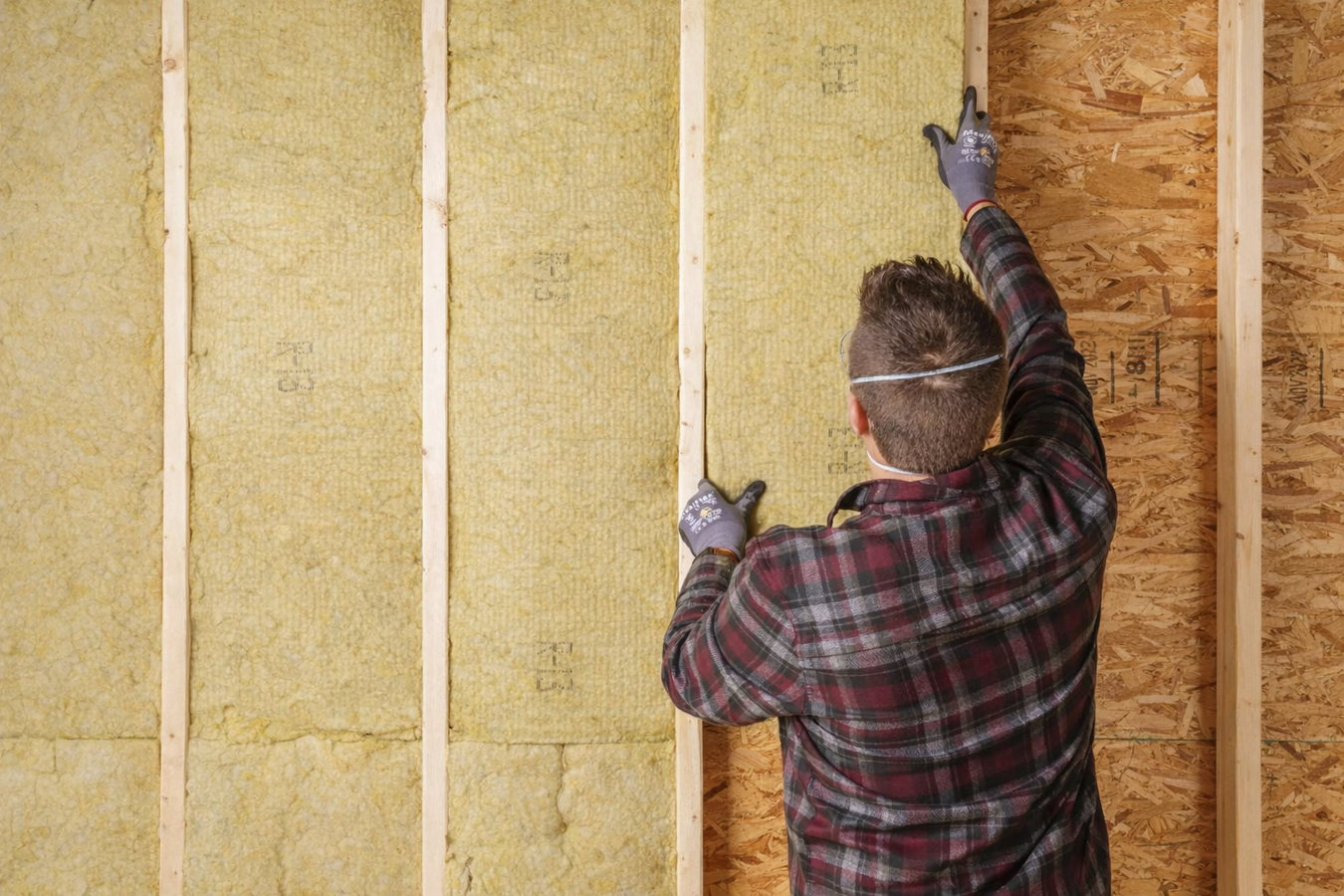
A large portion of Essex Junction homes were built between the 1950s and 1970s with 2x4 wall framing and little or no cavity insulation, which means cold walls, drafts, and high heating costs are built into the structure itself. Our wall insulation service fills those cavities using blown-in or injection foam methods that require minimal disruption to finished surfaces inside your home.
Older homes near Five Corners frequently have thin or deteriorated attic insulation that was installed decades ago and has never been upgraded. Adding depth to the attic floor reduces heat loss through the ceiling - where the most heat escapes in a Vermont winter - and is often the fastest way to see a measurable drop in heating costs.
For Essex Junction ranch and split-level homes with irregular attic framing or existing insulation that needs a boost, blown-in cellulose or fiberglass fills around obstructions evenly and reaches a consistent R-value across the entire attic floor. It is also the go-to method for adding insulation to finished wall cavities without tearing out the drywall.
Homes near the GlobalFoundries campus area - many built in the 1950s and 1960s - often have uninsulated rim joists where the floor framing meets the foundation wall, creating a consistent cold spot along the perimeter of every room on the first floor. Closed-cell spray foam seals and insulates that area in one step, stopping air infiltration and heat loss at one of the most common weak points in this housing stock.
Vermont frost lines require deep foundations, so full basements are standard throughout Essex Junction, and most of them have poured concrete or block walls with no insulation on either side. Insulating basement walls brings the thermal boundary down to the foundation, keeps mechanical systems and pipes warmer, and makes the basement genuinely usable in winter.
In Essex Junction homes from the postwar decades, gaps around plumbing chases, electrical boxes, and attic hatches are rarely sealed - they were simply never addressed during construction. Sealing these pathways before adding insulation captures the full benefit of the new material and is the step most homeowners do not realize they are missing.
Essex Junction grew primarily in the 1950s, 1960s, and 1970s alongside the IBM campus that anchored the local economy. The bulk of the village housing stock - ranch homes, split-levels, and small capes built during that period - was constructed to the insulation standards of its era, which are a far cry from what Vermont recommends today. Two-by-four wall framing with minimal cavity insulation and attic floors that were never upgraded leave homeowners paying for heat that is literally passing through the walls and ceiling. These homes are not failing. They were just built before insulation requirements caught up with Vermont winters.
The village also has an older core near Five Corners where some homes date to the late 1800s and early 1900s. These properties often have original stone or brick foundations, plaster walls, and attic spaces that were never insulated at all. Vermont winters bring ground frost several feet deep, repeated freeze-thaw cycles through late winter, and mud season moisture in April that puts pressure on uninsulated basement walls and crawl spaces. Every one of those seasonal conditions creates a specific insulation problem that affects comfort, energy costs, and the long-term condition of the building.
Our crew works throughout Essex Junction regularly, and we understand the local conditions that affect insulation work here. The village has a distinct character that separates it from the surrounding Town of Essex - the streets are more compact, the lots are smaller near the center, and the housing is older. Access for equipment in some of the tighter streets near the village core requires planning, and we factor that in from the start.
Permit requirements for insulation projects in Essex Junction are administered through the Essex Junction Planning and Zoning office. The village is a distinct municipality with its own administration, and permit rules here differ from those in the surrounding Town of Essex. We check requirements before every job. Maple Street runs through the heart of the village, and whether your home is steps from Five Corners or out toward the edge of the village near the GlobalFoundries campus on Williston Road, we know the area and can reach you quickly from our South Burlington base.
We also serve homeowners in neighboring Essex, VT and nearby Williston, VT. If your address sits on the boundary between the village and the surrounding town, call us and we will confirm your coverage right away.
Call or submit the contact form and tell us what you are dealing with - cold walls, ice dams, a drafty first floor, or a specific area of the house you want addressed. We respond to every Essex Junction inquiry within one business day.
We come to your Essex Junction home, assess the current insulation, check for air leaks, and give you a written price before anything is scheduled. The estimate is free and there is no obligation to proceed.
Most Essex Junction jobs - blown-in attic work, wall cavity fills, and rim joist spray foam - are completed in one to two days. We work around your schedule and keep the work area clean throughout.
When the work is complete we walk through the job with you, confirm everything meets spec, and answer any questions. If anything comes up after we leave, call us - we stand behind the work.
We serve homeowners throughout Essex Junction, VT. Free estimates, written prices, and no-pressure consultations - just call or submit the form.
(802) 352-8211Essex Junction is a village within the Town of Essex with around 11,000 residents - making it one of the more densely populated small communities in Vermont. The village has its own identity, its own administration, and its own downtown anchored by Five Corners, the historic intersection where five roads converge near the old train station. The housing stock reflects the village's growth alongside the IBM campus: most homes are ranch-style and split-level properties built between the 1950s and the 1980s, sitting on modest in-village lots with established landscaping. Closer to Five Corners and the village center, some homes date from the late 1800s and have a different character entirely - older construction, narrower lots, and original materials that require a careful hand.
The GlobalFoundries semiconductor plant on Williston Road, which has operated under various names since IBM opened it decades ago, remains one of Vermont's largest employers and has shaped the village's working-class, owner-occupied character for generations. Essex Junction sits about 7 miles northeast of Burlington, with easy access via Route 2 and Route 15. Homeowners in nearby Burlington, VT and Winooski, VT face similar insulation challenges, and we serve all three communities from our South Burlington location.
High-density foam providing superior moisture and thermal barriers.
Learn MoreProfessional vapor barrier installation to prevent moisture damage.
Learn MoreCold walls, ice dams, and high heating bills are fixable. Contact South Burlington Insulation today and get a written estimate with no pressure and no obligation.